Restorative Justice Hubs: Building Connections for Stronger Communities
It’s time to invest in human potential—not in punishment and isolation. Now more than ever it’s time to invest in something that works. Restorative justice is part of the solution for reducing violence while reducing admissions into the courts and detention.
RJ Hubs is a collective that believes transformation is achieved when communities have the resources and capacity to resolve crime and conflict without the use of costly confinement and mass incarceration.
BytheNumbers
6
restorative justice hubs
3,116
total participants served in 2019
105,565
hours of contact with participants and families
282
critical incidents
401
conflict mediations
WhyItMatters
Restorative justice benefits society. This approach aims to create engaged, thriving communities that are equipped with the resources to support human potential.
WhatWe'reDoing
Addressing Childhood Trauma
Directly informed by the latest science on childhood trauma, the RJ Hubs model is designed as a strategy for helping people move beyond the effects of adverse childhood experiences.
Creating Safe Spaces
Youth and adults are supported in building healthy relationships and expressing themselves in welcoming and hospitable spaces as they commit to the journey of healing and growth.
Developing Skills & Competencies
We engage youth and adults in claiming their full potential as forces for positive change through the provision of essential initiatives that focus on development, mental health, advocacy, and education, among others.
Informing Legislators & Policymakers
We collaborate with communities and engage with legislators and policymakers to influence, create and improve policies that help repair systemic harm.
Supporting Sustainable Healing & Growth
Community-led restorative justice engages all members of the community in conflict resolution and opportunities for positive transformation.
Evaluation
Data is continually collected and analyzed to measure the collective impact of the RJ Hubs, in collaboration with CiviCore and Adler University’s Institute on Public Safety and Social Justice. For more information, contact Joshua Brooks at jbrooks@adler.edu or Danielle Nesi at dnesi@adler.edu
Testimonials
ULS has an extensive mentoring program that links youth to adults who serve as positive role models and help them connect to school and job opportunities. As one youth stated: “they’re like our older brothers. They tell us what we need. … [they are] helping me get my life together.”New Life Centers
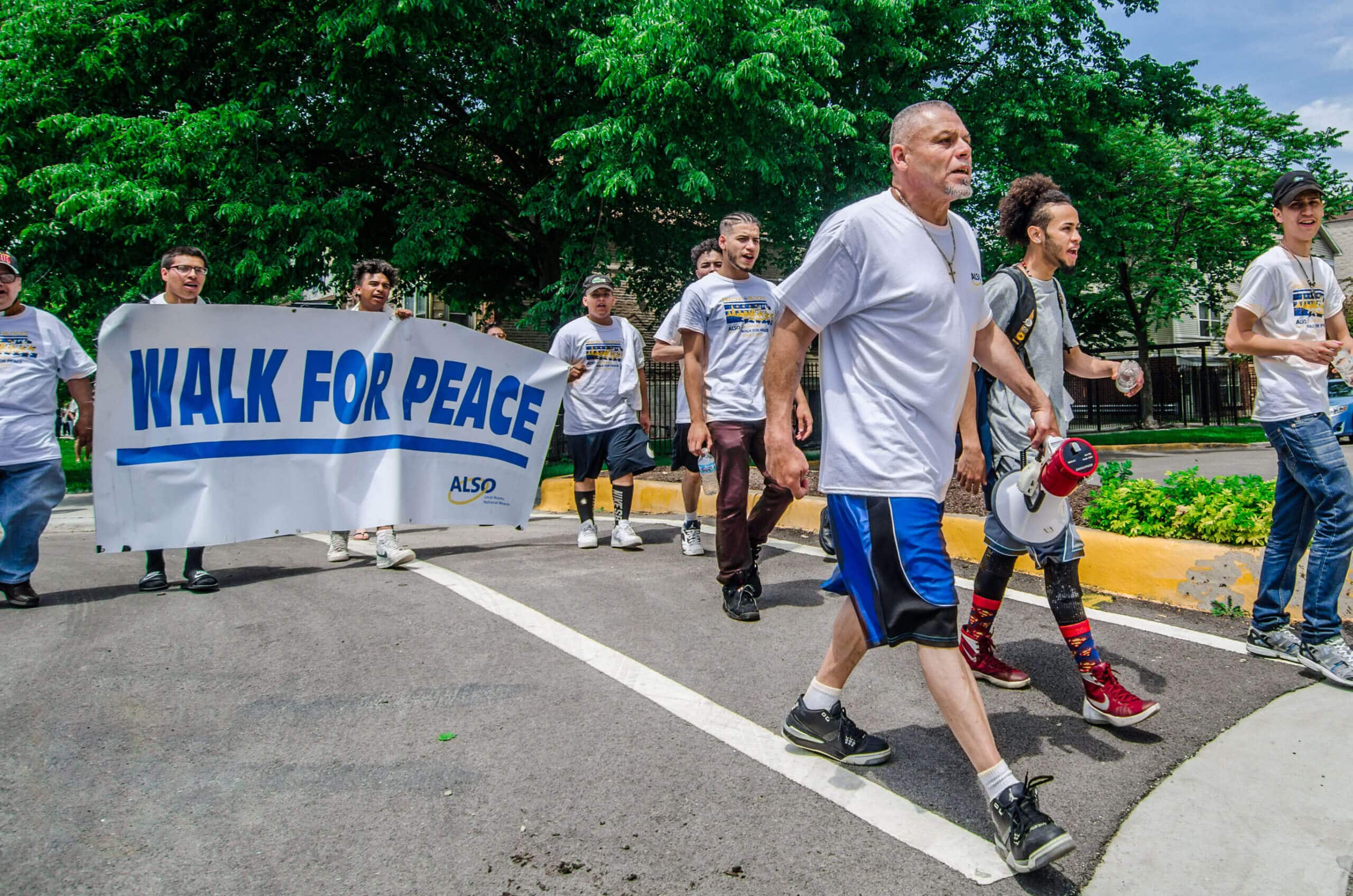
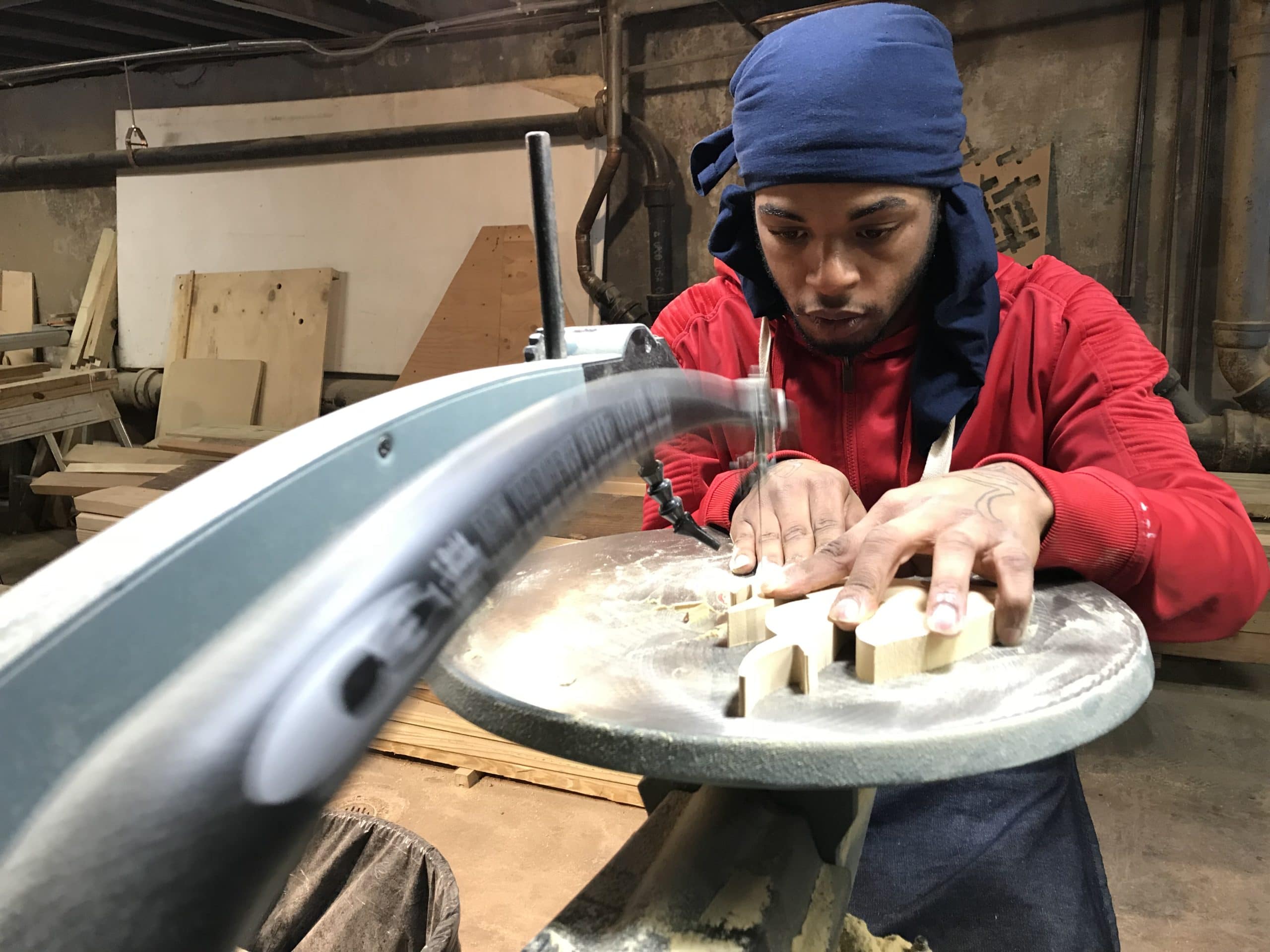
When a program participant began at ALSO he was engaged in high risk behaviors. Once engaged in programming, a resume for employment was created. This helped the participant secure part-time job through the ALSO network. Soon after, a carpenter's apprenticeship training was completed, followed by another job offer. Barriers to future employment were removed as a result of ALSO's expungement work. This participant is still working these two jobs, and now volunteers to give back with ALSO and partnering agencies, and now is less at risk.Alliance of Local Service Organizations
Youth at PBMR reported that the most impactful component of PBMR was the philosophy of “radical hospitality” of not turning any youth away, even if the youth commits a criminal act while receiving services. In the words of one youth, “they help you help yourself.”Precious Blood Ministry of Reconciliation